
Exploring cultural differences in casino experiences around the world
The Origins of Gambling and Casino Culture
The roots of gambling can be traced back thousands of years, with evidence suggesting that ancient Chinese and Roman civilizations engaged in various forms of betting and games of chance. Over time, these activities evolved into the sophisticated casino culture we see today. The structure and social norms surrounding gambling can differ significantly, influenced by local customs, traditions, and laws. For instance, in some cultures, gambling is viewed as a form of entertainment, while in others, it may be associated with taboo or moral concerns. As you explore these options, it’s wise to consider betting sites with free bets that align with your preferences.
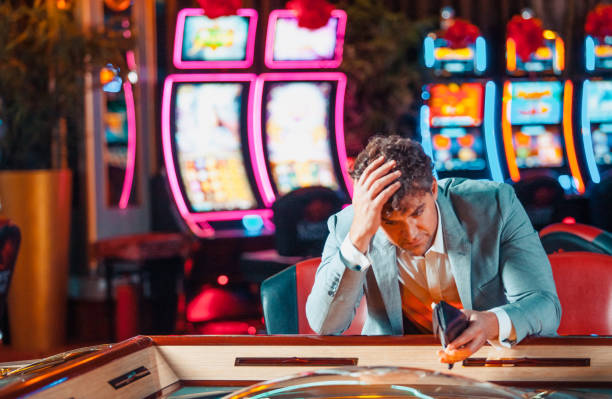
Cultural attitudes toward gambling can shape the very essence of casino experiences around the world. In places like Las Vegas, the atmosphere is vibrant and indulgent, catering to tourists seeking excitement and luxury. In contrast, many Asian countries approach gambling with a more restrained attitude, often integrating it into family gatherings and celebrations. The importance placed on community and respect for tradition can significantly alter how individuals participate in and perceive gambling activities.
Additionally, legal regulations play a crucial role in shaping casino culture. Countries such as Monaco have transformed their economies around luxury gambling, while others, like Japan, are only beginning to open up to legal casinos. These regulatory frameworks influence not only the types of games offered but also the overall customer experience. Understanding these cultural differences provides valuable insights into how casinos operate on a global scale.
The Psychological Aspects of Gambling
The psychology of gambling is a fascinating area of study, delving into why people choose to gamble and how they respond to wins and losses. Factors such as risk-taking behavior, the thrill of uncertainty, and the potential for reward can vary widely across cultures. For example, some cultures may celebrate risk-taking as a bold trait, while others may discourage such behavior, viewing it as reckless. This divergence affects how individuals approach casino gaming, impacting their betting strategies and overall enjoyment.
Moreover, the emotional and cognitive responses to gambling can be deeply influenced by societal norms. In cultures where gambling is a communal activity, the social support system may enhance the thrill of gaming, fostering an environment where players feel connected to one another. Alternatively, in cultures that stigmatize gambling, individuals might experience guilt or shame, which can lead to negative consequences for their mental well-being. The interplay between societal values and individual psychology creates a complex landscape of gambling behavior.
In many Western countries, casinos often deploy sophisticated marketing strategies to appeal to a sense of adventure and enjoyment. Techniques such as loyalty programs and free incentives are designed to keep players engaged and returning for more. On the other hand, in places like Scandinavia, there is a stronger emphasis on responsible gambling practices, often manifested in self-exclusion programs and state-run gaming operations that prioritize player protection over profit. These contrasting approaches to the psychology of gambling illustrate the diverse cultural frameworks in which casinos operate.
Cultural Themes in Casino Design and Experience
The design and ambiance of casinos reflect cultural themes that resonate with local customs and preferences. In Las Vegas, extravagance reigns supreme, with opulent décor, themed casinos, and high-energy entertainment options that cater to a global audience. The sheer scale and spectacle of these establishments create an immersive experience intended to mesmerize visitors. In contrast, casinos in Japan often feature subtle elegance, integrating traditional aesthetics with modern amenities, providing a quieter yet equally engaging environment.
Local cultural influences also dictate the types of games and entertainment offered at casinos. In Macau, for instance, the popularity of baccarat is deeply rooted in Asian gaming traditions, attracting a different demographic compared to the slot machines and poker tables common in Western casinos. Furthermore, entertainment options, such as live performances and dining experiences, are often tailored to reflect local tastes and traditions, enhancing the overall experience for visitors.
Moreover, the role of hospitality in casino experiences can differ significantly. In regions where gambling is closely tied to tourism, such as Atlantic City or Las Vegas, exceptional customer service is paramount. Casinos often invest heavily in training staff to provide a personalized and luxurious experience. Conversely, in cultures where gambling is less commercialized, the focus may be on a more relaxed atmosphere, where service is friendly but less formal, encouraging players to engage more leisurely with the gaming environment.
The Impact of Technology on Global Casino Experiences
Technology has revolutionized the casino industry, reshaping experiences for players worldwide. Online gambling platforms, mobile applications, and digital innovations have made gaming more accessible than ever. In cultures where online gambling is embraced, such as in the United Kingdom, players enjoy a plethora of options from the comfort of their homes. This shift has introduced new dynamics in how people approach gambling, often emphasizing convenience and personalization over traditional experiences.
However, the impact of technology is not universally positive. In regions where gambling is still considered a taboo, the rise of online casinos may perpetuate negative stereotypes and fears associated with gambling addiction. Many countries are now grappling with how to regulate these platforms, balancing accessibility with consumer protection. The tension between technological innovation and cultural perceptions often creates a complex regulatory landscape that varies from one region to another.
The integration of virtual reality and live dealer games is also transforming the way players experience gambling. These advancements enable players to enjoy immersive experiences that closely mimic the atmosphere of a physical casino, regardless of their location. However, the acceptance and adoption of such technologies can vary significantly. In cultures that prioritize tradition, these innovations may face resistance, while more progressive societies may embrace them enthusiastically. Understanding these trends is vital for any business looking to thrive in the global casino market.

Conclusion: Understanding Cultural Differences in Casino Experiences
Exploring the cultural differences in casino experiences worldwide reveals a rich tapestry of traditions, beliefs, and practices. Each region offers unique insights into how gambling is perceived and engaged with, influenced by historical, psychological, and social factors. Recognizing these cultural nuances is essential for players, operators, and stakeholders within the industry. This understanding fosters a more inclusive gambling environment that respects diverse perspectives and enhances the overall experience for everyone involved.
As the global casino landscape continues to evolve, the interplay between culture and gambling will only grow in significance. From the lush resorts of Las Vegas to the serene elegance of Japanese gaming houses, each destination presents an opportunity to experience gambling in a way that resonates with local customs. Embracing and celebrating these differences can enrich the global gambling community, fostering greater appreciation and respect for the myriad ways in which people engage with games of chance.